Spotted Lanternfly Control: How to Protect Your Yard
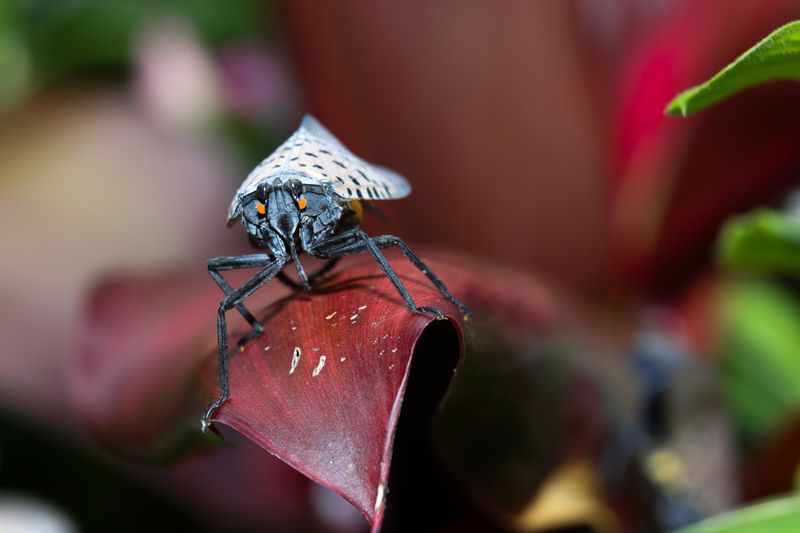
Spotted lanternflies look almost too colorful to be a serious pest, but a heavy infestation can turn decks, patios, trees, and garden plants into a sticky mess. These invasive insects feed on plant sap, excrete sugary honeydew, and encourage black sooty mold on outdoor surfaces.
The good news: homeowners can reduce spotted lanternfly pressure without spraying everything in sight. The best control plan combines identification, reporting, egg mass removal, tree traps, host-tree management, and targeted treatments only when needed.
This guide explains what to do at each life stage, what products are worth buying, and when to call a professional.
What Is a Spotted Lanternfly?
The spotted lanternfly is an invasive planthopper first detected in Pennsylvania in 2014. It has since spread across many eastern and midwestern states.
Spotted lanternflies do not bite people or pets. The problem is what they do to plants and outdoor spaces:
- They feed on sap from grapevines, maples, walnuts, willows, fruit trees, ornamentals, and tree of heaven.
- They produce sticky honeydew that coats leaves, decks, cars, and patio furniture.
- Honeydew encourages black sooty mold, making plants and surfaces look dirty or damaged.
- Heavy feeding can stress plants, especially vines, young trees, and already weakened ornamentals.
How to Identify Spotted Lanternflies
Egg Masses: Fall Through Spring
Egg masses look like smears of gray, tan, or light brown putty. Each mass is about an inch long and may contain dozens of eggs.
Look for them on:
- Tree trunks and branches
- Fence posts, firewood, stone, and concrete
- Outdoor furniture and patio items
- Trailers, campers, and vehicle wheel wells
Egg masses blend into rough surfaces. Fresh masses look smoother and waxy; older ones may crack and resemble dried mud.
Nymphs: Spring Through Summer
Young nymphs are small, black, and covered in white spots. Later nymphs become red, black, and white. They crawl up trunks to feed, fall down, and climb again, which is why tree traps work best during the nymph stage.
Adults: Mid-Summer Through Fall
Adults are about an inch long. At rest, they have grayish wings with black spots and darker patterned wing tips. When they jump or fly, you may see red hind wings.
Should You Report Spotted Lanternflies?
If you are in a state or county where spotted lanternfly is not yet widespread, report it to your state agriculture department or local extension office. Most states want photos, location, and sighting date.
If you live in a heavily infested quarantine area, your state may not need every individual sighting. In that case, follow local guidance and focus on preventing spread:
- Check vehicles before leaving infested areas.
- Inspect trailers, campers, firewood, nursery stock, and outdoor equipment.
- Do not move egg masses, live insects, or infested materials to new locations.
- Follow quarantine rules if your business moves regulated items.
Step 1: Scrape and Destroy Egg Masses
Egg mass removal is one of the simplest winter and early spring controls. It will not eliminate a large regional population by itself, but every mass you destroy reduces spring hatch pressure.
To remove egg masses:
- Use a plastic card, putty knife, or scraper.
- Scrape the entire mass into a bag or container.
- Kill the eggs by crushing them or dropping them into rubbing alcohol or hand sanitizer.
- Seal the bag before placing it in the trash.
Do not just knock egg masses onto the ground. Some eggs may survive if they are not crushed or submerged. Focus on surfaces you can reach safely from the ground.
Step 2: Use Circle Traps on High-Activity Trees
Tree traps are most useful from spring through early fall, especially when nymphs crawl up trunks. The best homeowner option is usually a circle trap, which wraps around the trunk and funnels climbing lanternflies into a collection bag.
Circle traps are preferred over exposed sticky bands because they reduce the risk of catching non-target wildlife and beneficial insects.
Use traps on tree of heaven, maples, walnuts, and other trees where you repeatedly see lanternflies climbing the trunk.
Check traps often and empty them before the collection bag fills. If you use sticky bands instead, install a protective mesh guard over the adhesive and inspect it frequently.
Step 3: Manage Tree of Heaven
Tree of heaven is a preferred host, and many infestations build around it. Removing or treating this invasive tree can reduce pressure around a property.
Do not simply cut down tree of heaven and walk away. Cutting can trigger new shoots around the stump.
- Identify tree of heaven correctly before taking action.
- Use proper herbicide timing and technique for established trees.
- Consider leaving one or two treated “trap trees” in large infestations if advised by a professional.
- Hire a licensed arborist or vegetation management professional for large trees or property-line issues.
If you are unsure what tree you have, contact your local extension office before cutting or treating it.
Step 4: Vacuum, Swat, or Crush Reachable Insects
Mechanical control sounds basic, but it is still useful around patios, doorways, garden beds, and outdoor work areas. Good options include:
- A shop vacuum for clusters on walls, posts, and trunks
- A fly swatter for adults on flat surfaces
- A bucket of soapy water for collected insects
- Hand removal of nymphs from small plants
This is not a full-yard solution, but it can make decks and entryways usable again.
Step 5: Be Careful With Sprays
Insecticides can kill spotted lanternflies, but they are not always the best first move. Lanternflies are mobile, new insects can move in after you spray, and broad treatment can affect pollinators and beneficial insects.
If you choose a pesticide:
- Use only products labeled for the site and target pest.
- Follow the label exactly.
- Avoid spraying blooming plants.
- Keep children and pets away until the treated area is dry and the label allows re-entry.
Contact sprays may help with visible clusters on non-blooming ornamentals or tree trunks. Horticultural oils and insecticidal soaps work only on direct contact. Systemic insecticides can be effective on some trees, but they require careful timing and pollinator protection.
For valuable trees or repeated heavy infestations, a licensed professional is usually a better choice than guessing with stronger products.
What to Buy for Spotted Lanternfly Control
Most homeowners should start with a small, practical kit:
- Plastic scraper or putty knife: For egg masses on trees, stone, furniture, and equipment.
- Rubbing alcohol or hand sanitizer: For killing scraped eggs in a sealed container.
- Circle traps: Best for trees with repeated nymph traffic.
- Shop vacuum: Helpful for clusters around patios, foundations, and sheds.
- Disposable gloves: Useful when handling egg masses and sticky honeydew.
- Hand lens or phone macro mode: Makes identification easier before reporting.
Skip foggers, outdoor mosquito misting products, and homemade broad sprays. They are not targeted lanternfly tools and often create more risk than benefit.
How to Keep Spotted Lanternflies From Spreading
Spotted lanternflies spread partly by hitchhiking. Egg masses can be laid on almost any hard outdoor surface, including vehicles, trailers, and equipment.
Before traveling from an infested area, inspect:
- Car doors, bumpers, wheel wells, and roof racks
- Campers and trailers
- Firewood and lumber
- Outdoor furniture and grills
- Stone, tile, and landscaping materials
- Nursery plants and garden supplies
Destroy insects or egg masses before moving the item.
For more general exclusion habits, see our guide to pest-proofing your house.
When to Call a Professional
Call a pest control company, arborist, or tree care professional if:
- Lanternflies are covering multiple mature trees.
- You have grapevines, fruit trees, or high-value ornamentals.
- Honeydew is coating decks, cars, siding, or walkways.
- You need tree of heaven removed or treated.
- You are considering systemic insecticide treatment.
- The infestation is near a business, rental property, school, or public-facing space.
Professional treatment is not always necessary, but it helps when the infestation is too large for scraping and traps alone.
If you are comparing quotes, ask whether the plan includes inspection, host-tree recommendations, trapping, pesticide timing, and follow-up monitoring. Our pest control cost guide can help you understand service pricing.
Bottom Line
Spotted lanternfly control works best as a seasonal routine, not a one-time spray. Scrape egg masses in fall through spring, trap nymphs as they climb trees, manage tree of heaven carefully, and use pesticides only when the situation justifies it.
For light activity, homeowner control can make a noticeable difference. For heavy infestations or valuable trees, get a professional inspection and target the right trees at the right time.

Kevin Larrabee
Independent trade-focused editorial team